Indigenous-led Projects
IEF continues to partner with and support Indigenous-led projects strengthening connection to cultural & ecological knowledge.
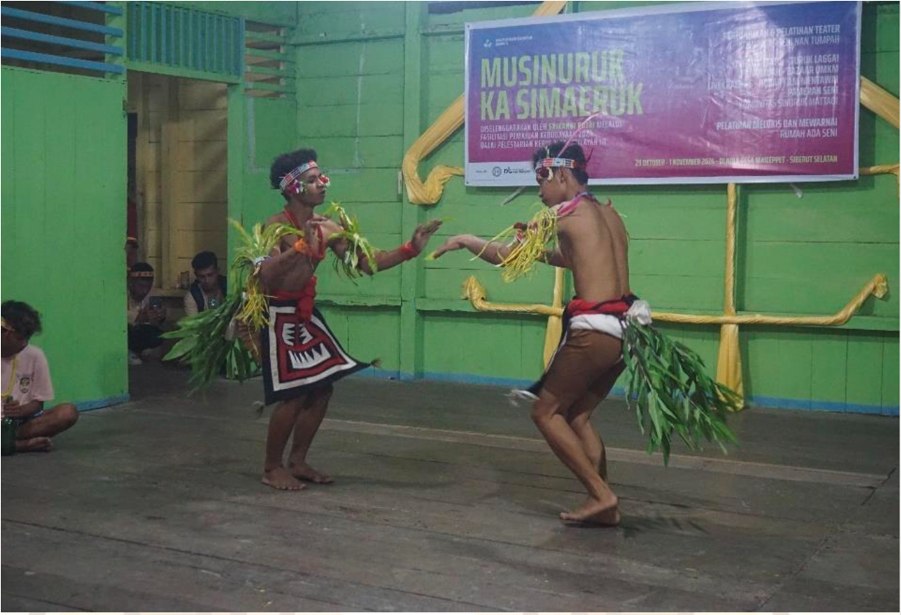
Komunitas Sinuruk Mattaoi Indonesia (KSMI) is a youth-led cultural organisation based in Maileppet Village, South Siberut, Mentawai Islands. Its annual festival, Musinuruk Ka Simaeruk, returns for a third edition (24–29 August 2026) under the theme "Ka Pusagaikat" (Bersagu), which is a call to reposition sago from a declining staple into a living marker of Mentawai identity, food sovereignty, and ecological stewardship. As imported rice and instant foods have displaced sago, knowledge of its cultivation, processing, and cultural meaning has eroded among younger generations, while the islands' reliance on sea-borne supply leaves communities exposed to price and delivery shocks. The six-day festival includes a photo and art exhibition, a UMKM (small-enterprise) bazaar, competitions in traditional and innovative sago cooking, children's art, sago-themed theatre and Turuk Laggai dance, workshops in Mentawai tattooing and Letcu bracelet-making, a creative-economy talkshow, a national seminar on Turuk Laggai with Sikerei, and Mentawai film screenings. IEF is supporting KSMI in connecting the festival with funding partners and cultural stakeholders to ensure it is properly resourced and can be sustained as an annual platform for Mentawai cultural and food-sovereignty work.
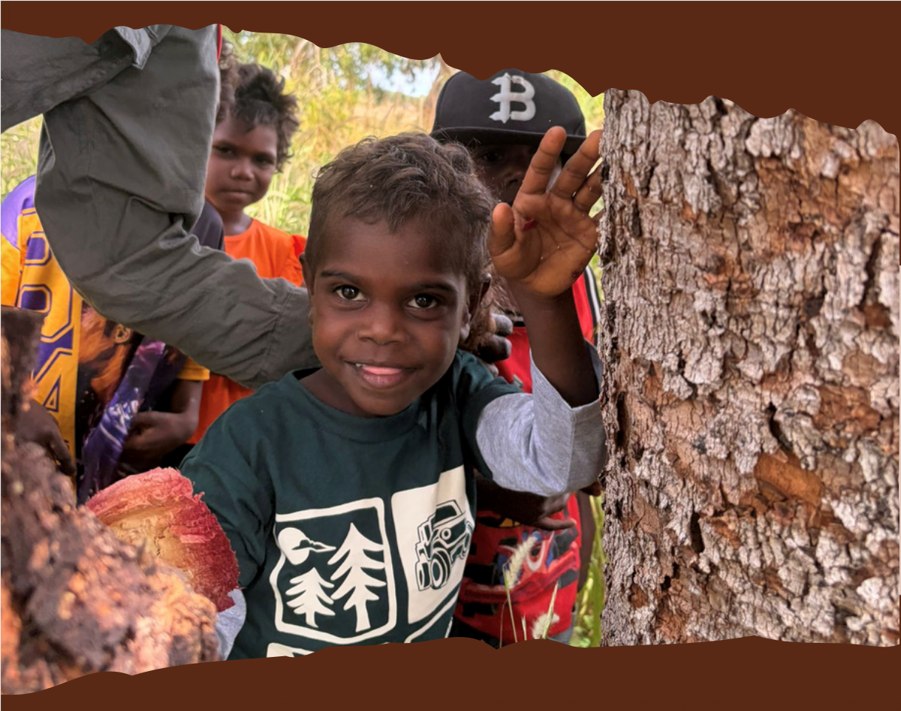
Milingimbi Outstations and Progress Resource Aboriginal (MOPRA) Learning on Country program is an Aboriginal-led, place-based education initiative that reconnects Yolngu young people in Milingimbi and the surrounding Crocodile Islands to their ancestral knowledge, culture, and Country. Delivered by Elders and Rangers, the program takes young people out of the classroom and into the living landscape, where they learn to read land, water, and seasonal patterns; listen to stories that carry law and history; practice cultural responsibilities; learn language in context; and build practical skills alongside cultural knowledge. The program has been running for over a decade and is grounded in MOPRA's governance framework, where cultural authority sits with community. IEF is supporting MOPRA in connecting investment with on-Country leadership to ensure the program is properly resourced and sustained across generations.
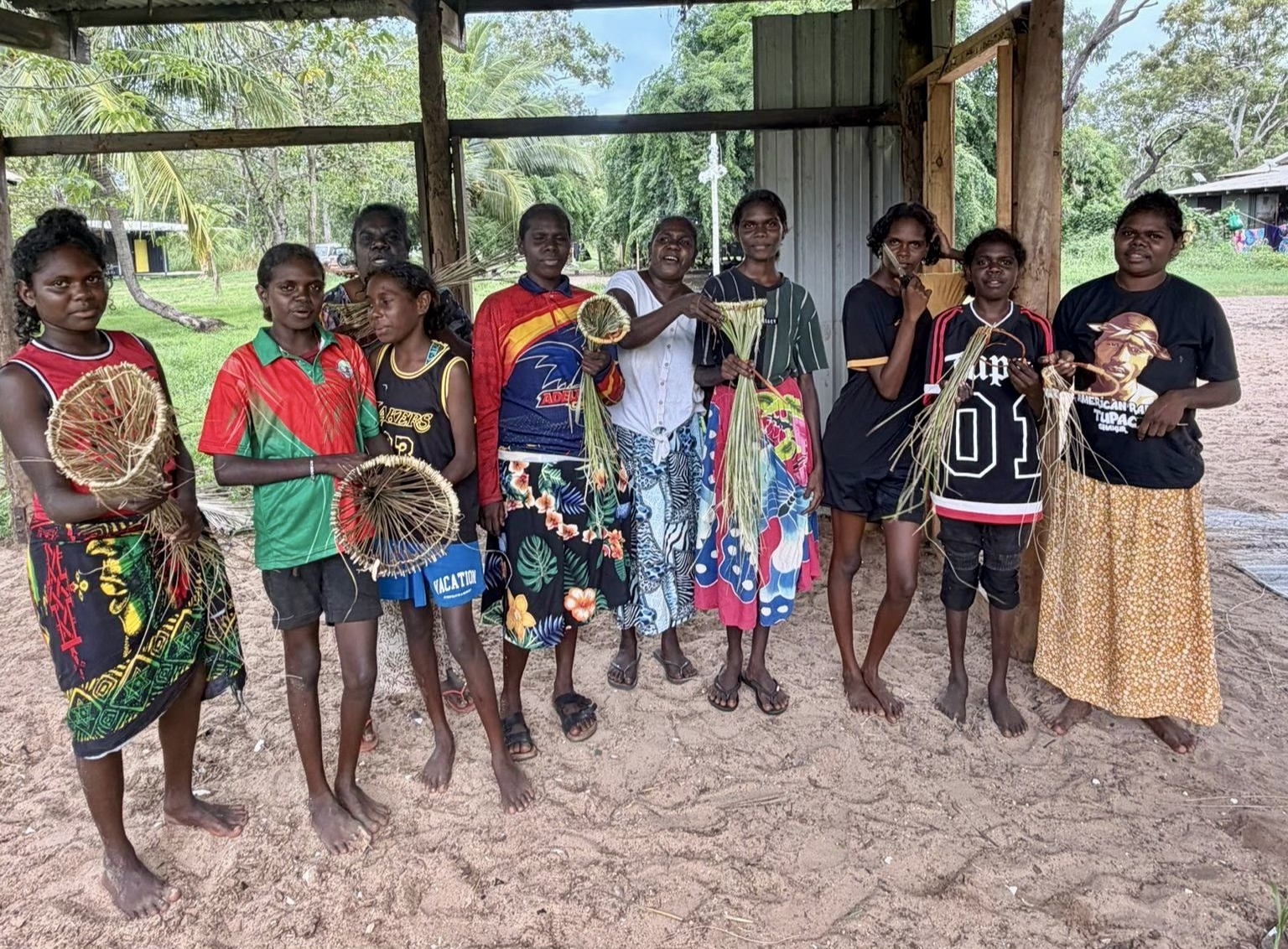
Through a newly awarded Foundation for Rural and Regional Renewal (FRRR) grant, IEF is partnering with the Crocodile Island Rangers (MOPRA) and the Milingimbi community in East Arnhem Land to support a locally driven cultural documentation initiative. The project equips Traditional Owners, Rangers, and community members with tools and training to digitally record and curate their own cultural materials, including songs, stories, bush medicines, ecological knowledge, and cultural lore. Yolngu knowledge holders lead the entire process, deciding what is recorded, how it is shared, and who can access it. The project directly strengthens MOPRA's Learning on Country program and lays the foundation for longer-term cultural, digital, and educational initiatives led by the community. IEF contributes technical expertise and training, drawing on experience from similar documentation initiatives across the Asia-Pacific.
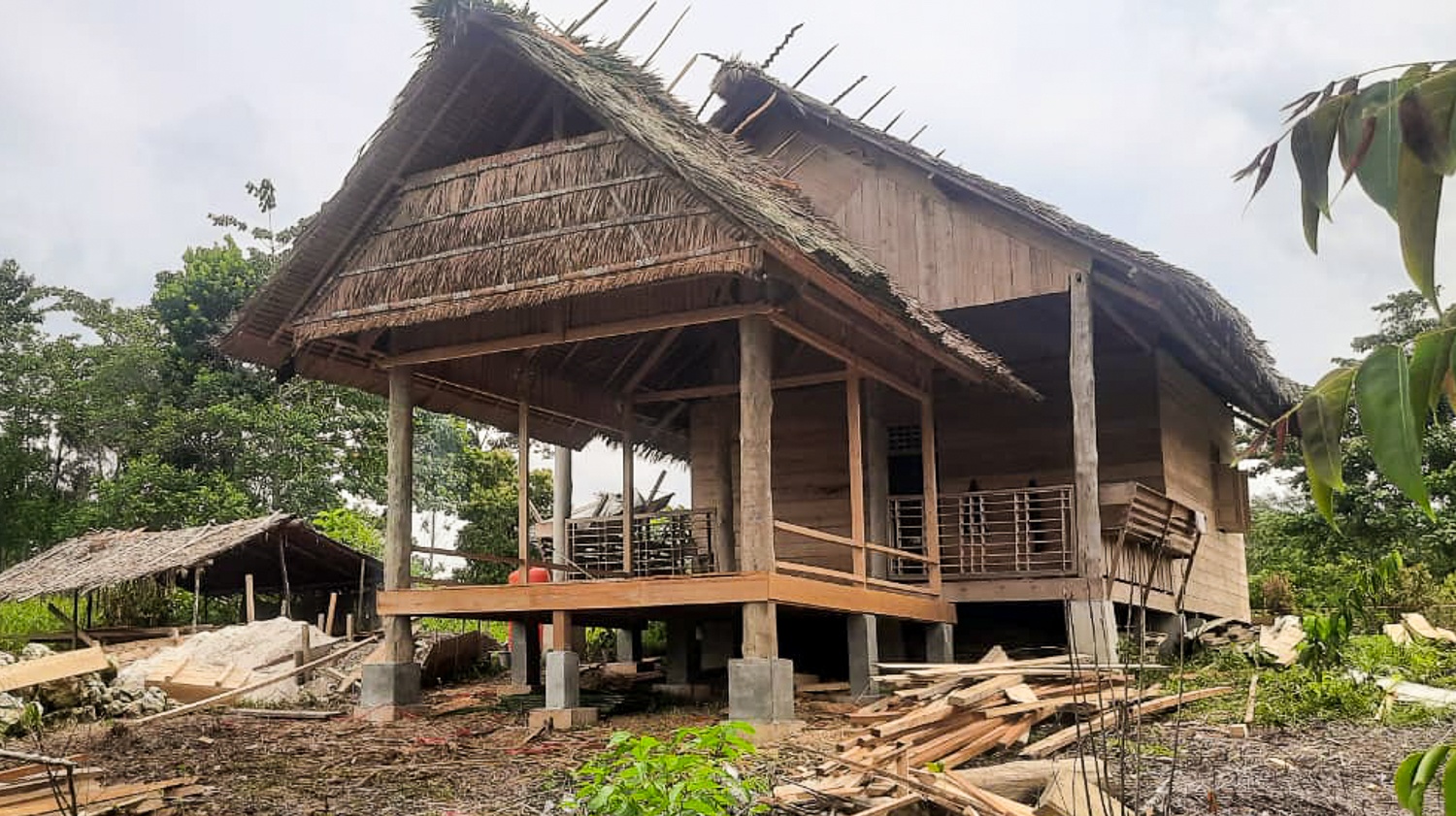
Conceived by the Suku Mentawai Foundation (YPBM), the Mentawai Cultural Arts and Education Centre is a landmark infrastructure project on Siberut Island, Western Sumatra. Following a major fundraising campaign, land was secured and construction commenced in 2024. As of March 2026, the Centre is entering its final stage of construction, built in the traditional Uma longhouse style using locally sourced materials and Mentawai building techniques passed down through generations. Once complete, the Centre will host cultural festivals, language programs, storytelling, plant medicine lessons, tattoo arts, music, dance, and ceremonies. The second phase of development will also support economic empowerment through eco-lodging, souvenir galleries, and arts sales, becoming a permanent hub for cultural and ecological learning and a vehicle for Suku Mentawai's long-term self-determination.
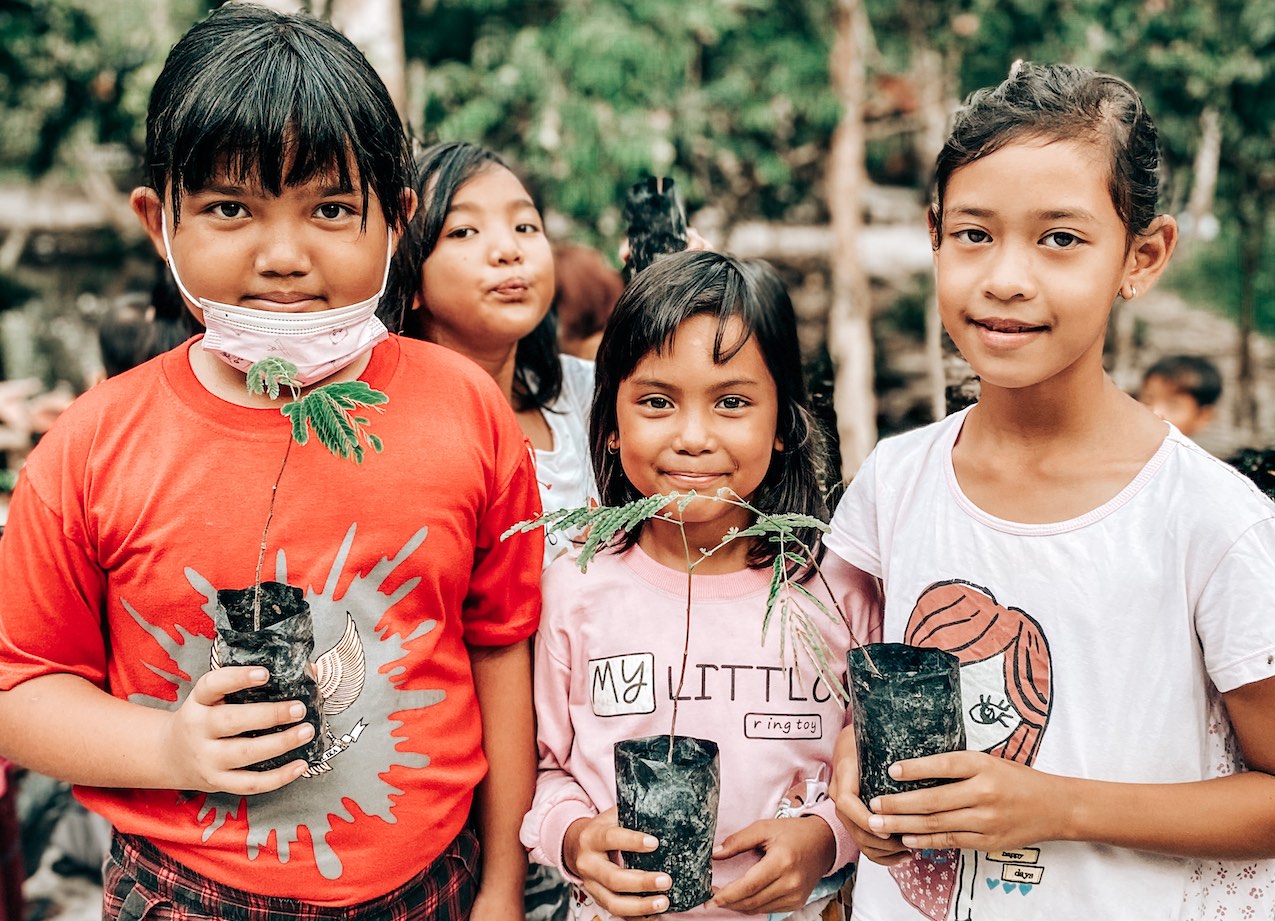
Since the establishment of IEF's partnership with the Ranu Welum Foundation, IEF has funded Ranu Welum's Cultural and Ecological-based Education program, one of the foundation's four core programs. Delivered by and for Dayak youth in Kalimantan, the program combines Indigenous cultural knowledge with ecological education, covering traditional practices, language, song, dance, and environmental stewardship rooted in Dayak wisdom. The program is delivered through Ranu Welum's network of over 200 youth leaders and sits alongside their Youth Act movement, Film Academy, and Indigenous Film Festival as part of an integrated approach to cultural preservation and youth empowerment. In 2025, Ranu Welum was awarded the UNDP Equator Prize, one of just ten recipients globally from over 700 nominations in recognition of the extraordinary impact of their work.
Completed: 2017
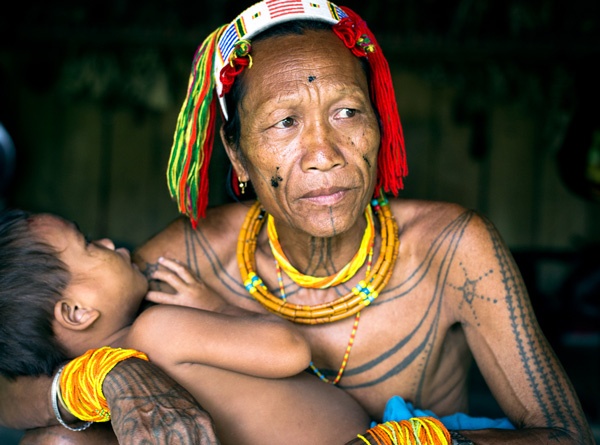
As Worlds Divide is an award-winning documentary film initiated by IEF Founder Rob Henry, telling the story of the Mentawai people's struggle to preserve their culture and rainforest against the pressures of globalisation. Released in 2017 and available in seven languages (including English, Spanish, Italian, Indonesian, French, German, and Portuguese) the film serves as both a cultural advocacy tool and a fundraising platform for IEF's Indigenous education programs. One hundred percent of funds raised through the film's Watch a Film, Save a Culture (#wafsac) campaign are directed to YPBM's cultural learning hub program, supporting teachers, students, learning materials, and hub construction across Siberut Island.
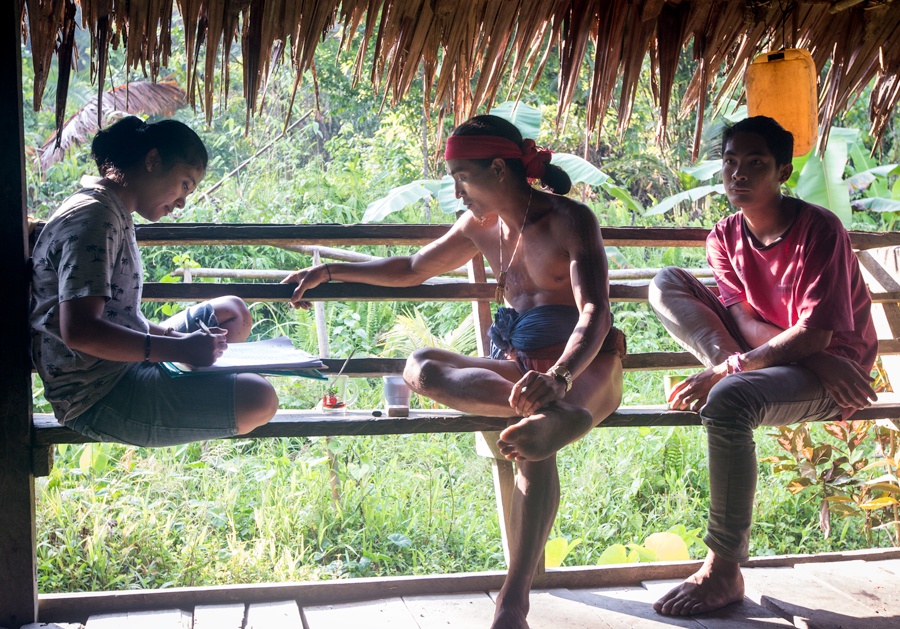
Supported by IEF since its inception, the Mentawai Language Dictionary Project is a long-running initiative by Yayasan Pendidikan Budaya Mentawai (YPBM) to document and revitalize the Mentawai Rereiket dialect. The first Mentawai (Rereiket)-Indonesian dictionary was published in 2019, followed by a revised edition developed in collaboration with field researchers, Mentawai elders, and University of Melbourne linguist Isabelle Barlow. A Mentawai (Rereiket)-English edition was also initiated to help Mentawai people communicate and advocate across international platforms. The dictionary serves as both an educational tool for students and a critical resource for preserving one of Indonesia's most endangered Indigenous languages, aligning with the UN Decade of Indigenous Languages (2022-2032).
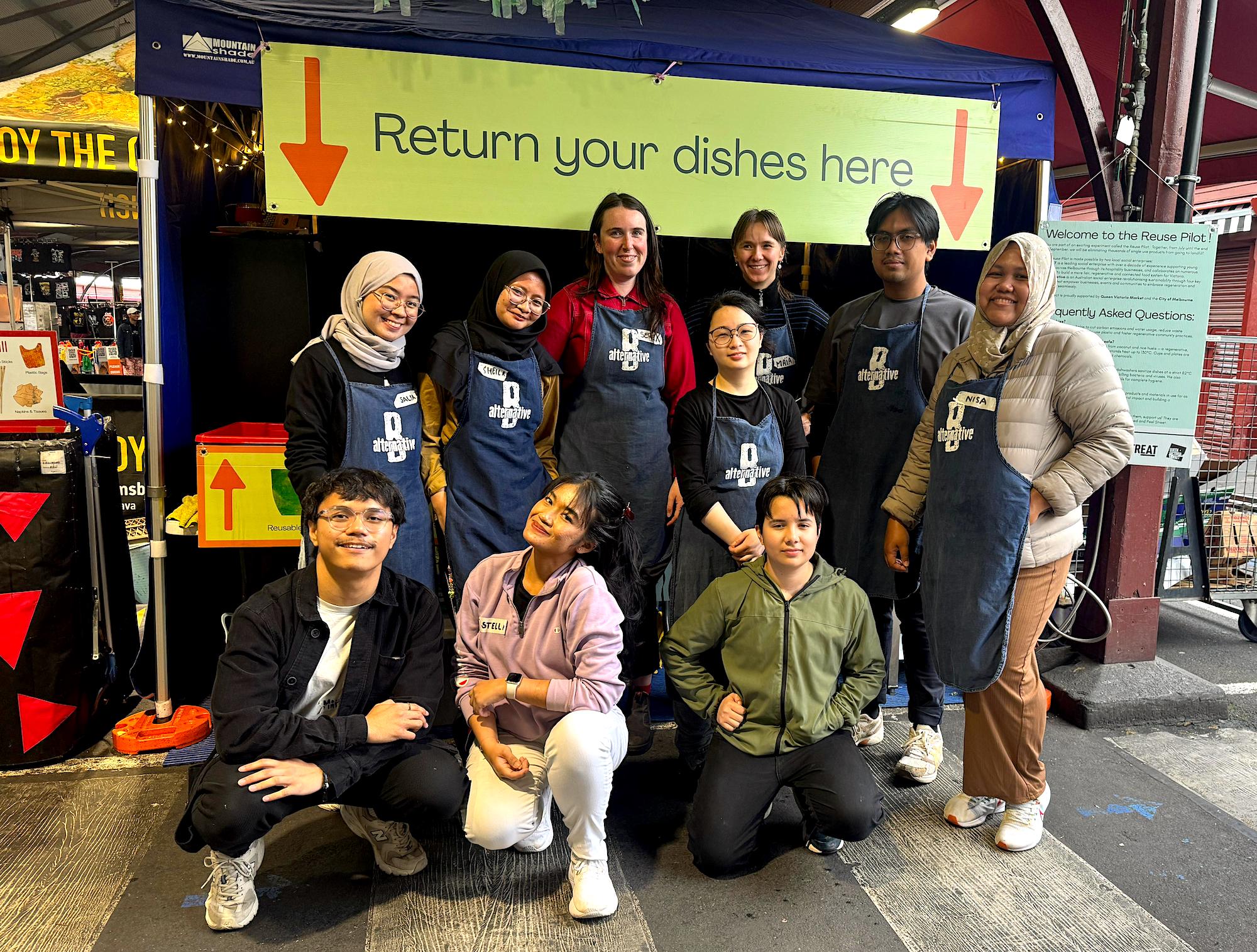
IEF has partnered with the LPDP University of Melbourne Association (LUnA), a student association representing over 800 Indonesian graduate students in Melbourne, to channel volunteer energy toward sustainability-focused fundraising for Indigenous education. Around 20 LUnA volunteers have contributed their time at events supported by social enterprise B-Alternative, including the Queen Victoria Market Reusables Program and the Groove and Graze Festival in Glen Eira. The volunteer funding raised supports IEF's Indigenous-led education partners in Indonesia, the Ranu Welum Foundation and the Suku Mentawai Foundation. The partnership demonstrates how diaspora communities in Australia can meaningfully connect with and support Indigenous-led initiatives across the Asia-Pacific.
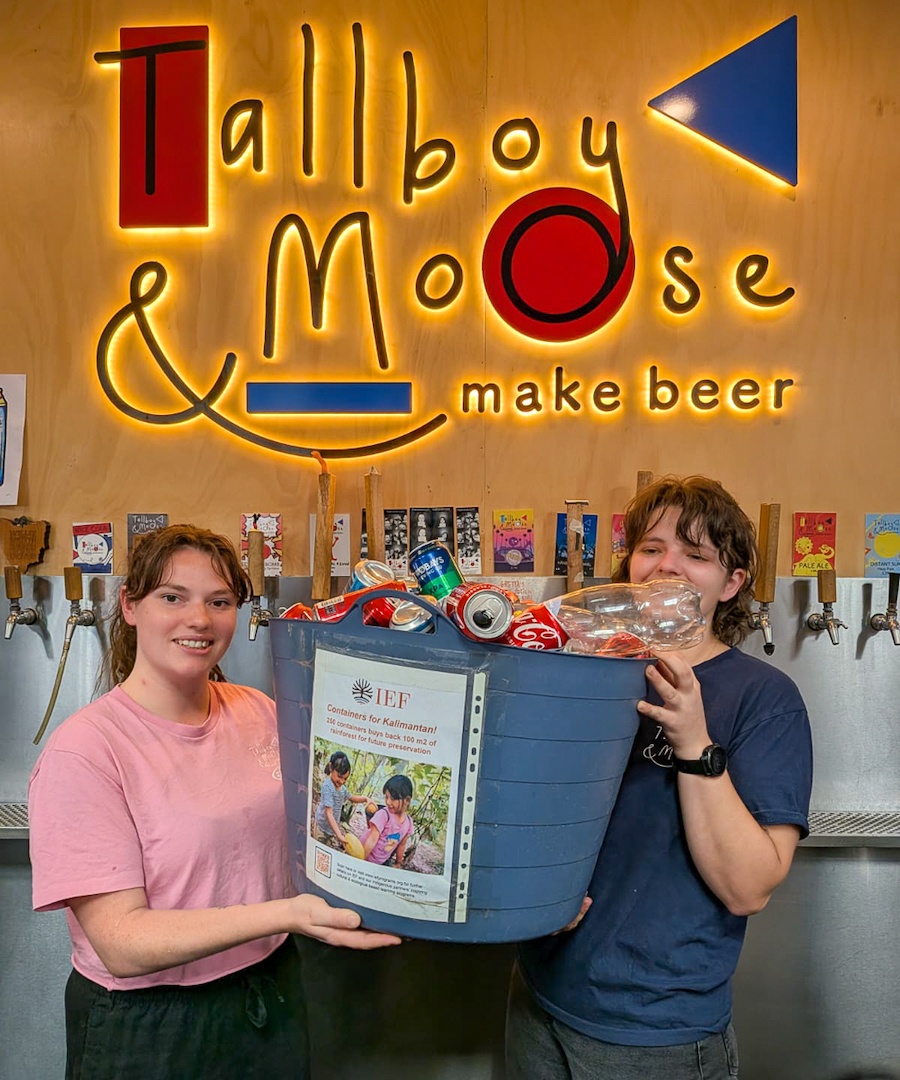
What began as a small act of generosity has grown into a grassroots fundraising movement for Indigenous education. Through Australia's Container Deposit Scheme (CDS), a growing community of Melbourne-based venues (including bars, restaurants, and local businesses in the Preston-Thornbury area) donate their single-use containers to IEF, with 100% of proceeds directed to IEF's Indigenous partner organizations. Coordinated in partnership with social enterprise B-Alternative, this initiative turns everyday waste into meaningful impact, while building lasting community connections grounded in shared values and purpose. Supporters can also donate directly via the CDS app by setting IEF as their preferred payout.
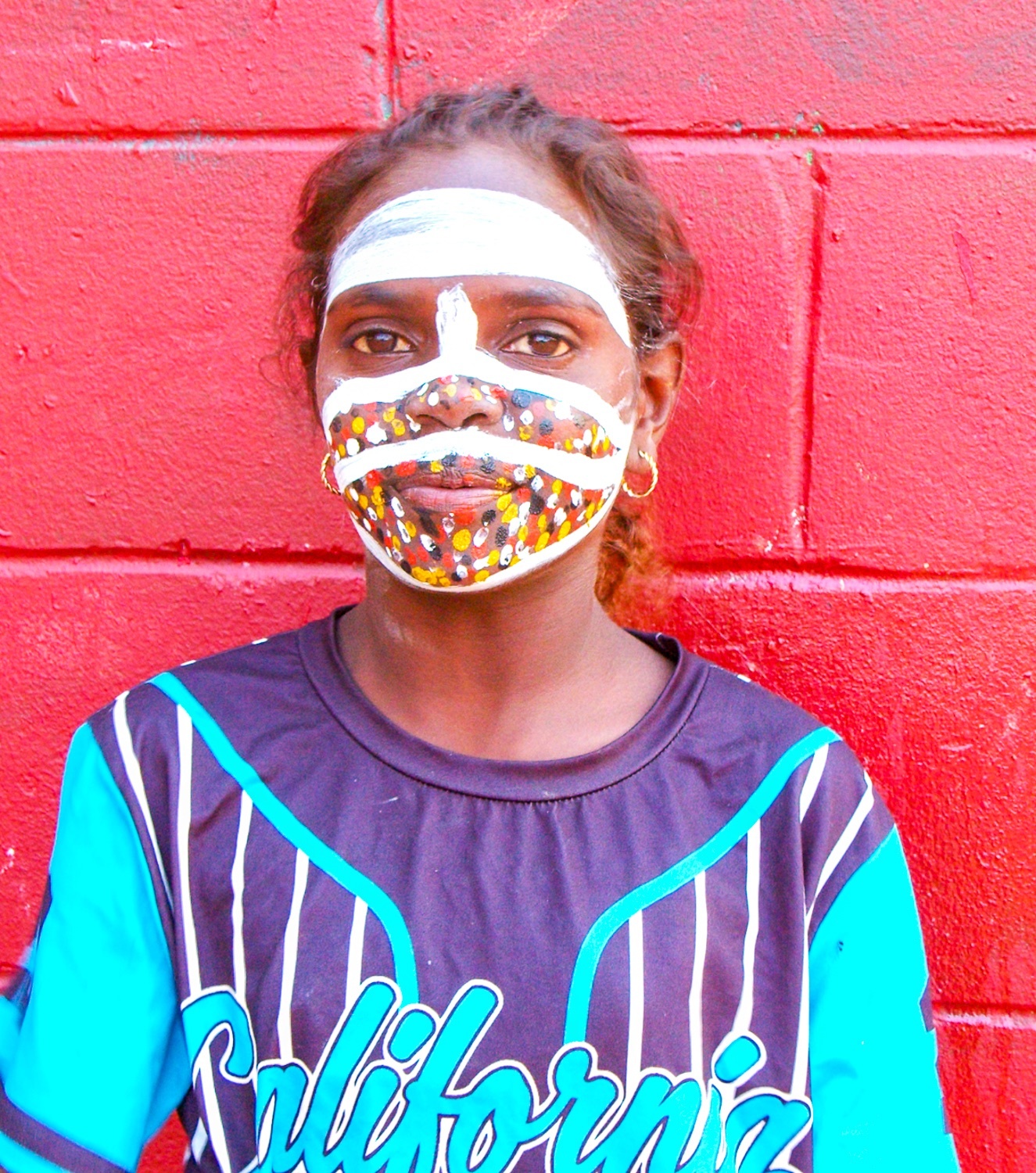
IEF has partnered with Solid Rootz in Milingimbi, East Arnhem Land, to support a community-led model of culturally grounded education for Yolngu youth. At the heart of the program are Yindi Dhukarr cultural camps, where young people travel to homelands and learn from Elders through storytelling, mentorship, and connection to land and sea. Solid Rootz is also developing a Youth Employment and Cultural Enterprise Hub incorporating a Mixed Media and Music Studio, a Creative Arts and Design Hub, and a community food enterprise. IEF supports governance, capacity building, and the long-term transition toward Solid Rootz becoming a fully independent, community-controlled organization.
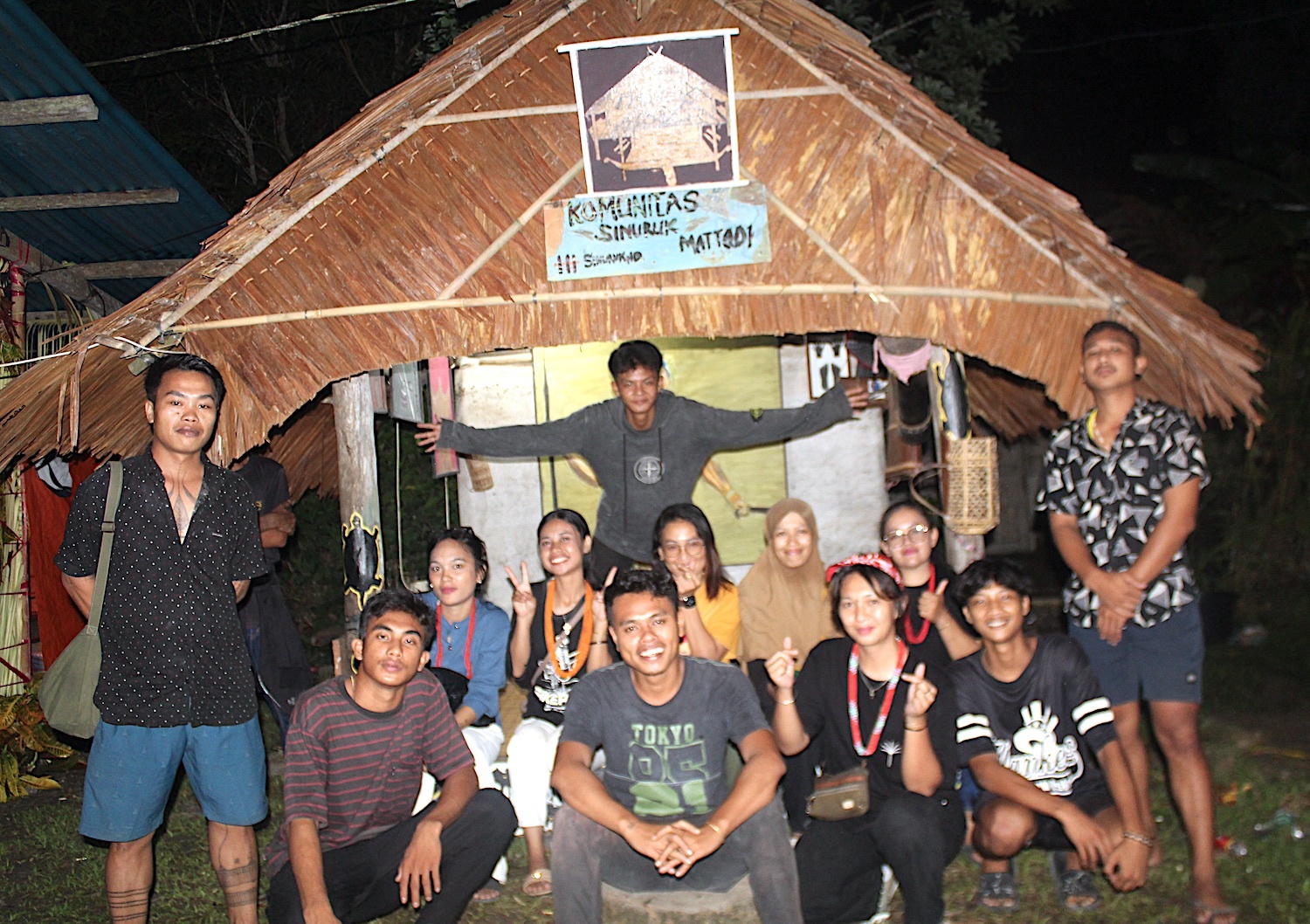
IEF is proud to support Sinuruk Mattaoi, a youth-led community group founded in 2022 in Maileppet Village, South Siberut Island. Rooted in the traditional values of Arat Sabulungan, the group provides a platform for young Mentawai people to engage with weaving, tattooing, language, music, dance, and cultural arts. IEF's support includes the annual Musinuruk Kasimaeruk cultural festival, which brings together community members of all ages to celebrate heritage, strengthen intergenerational bonds, and explore cultural tourism. The initiative reflects IEF's commitment to supporting grassroots Indigenous youth leadership.
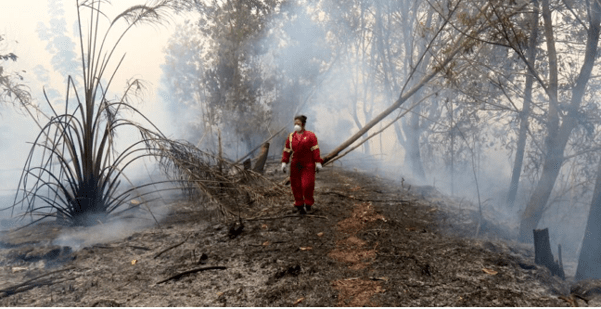
Through its partnership with the Ranu Welum Foundation, IEF has supported youth-led fire management and land restoration efforts across 2,271 hectares of peat land in Kalimantan. This initiative engages young Indigenous leaders in practical ecological restoration, climate education, and fire prevention, building a generation of environmental stewards grounded in both Indigenous knowledge and contemporary conservation science. The program is directly linked to the Tangkiling Peat Forest Youth Ecology Centre and forms a key pillar of Ranu Welum's integrated approach to cultural continuity and ecosystem resilience.
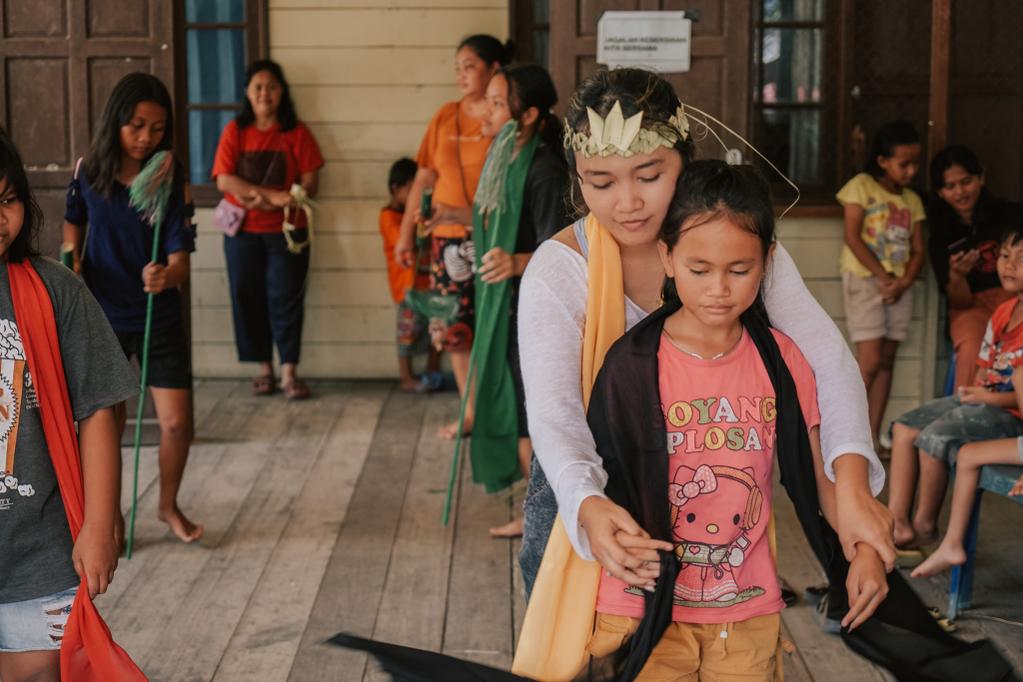
In partnership with the Ranu Welum Foundation, IEF has supported the revival of traditional Dayak panyugu, ancestral fire festivals that are central to Dayak cultural identity and community resilience. These festivals bring communities together to celebrate cultural heritage amid ongoing environmental and legal challenges facing Indigenous land rights in Kalimantan. The revival efforts are part of a broader cultural continuity program that includes Ranu Welum which has mobilized over 1,000 youth, protected 3,000 hectares of forest, restored peat lands, and trained women firefighters, reaching hundreds of thousands of people through digital outreach campaigns. Ranu Welum's Sekolah Adat cultural school, youth media platforms, and community advocacy initiatives are protecting traditional land use practices such as manugal and Indigenous forest preservation rights.
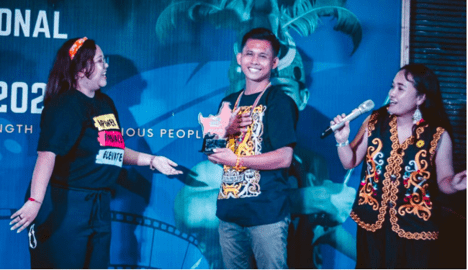
IEF has been a proud sponsor of the Kalimantan International Indigenous Film Festival (KIFF) since 2019, supporting the event across multiple consecutive years. Founded and hosted by the Ranu Welum Foundation in Central Kalimantan as part of the broader International Indigenous Film Festival (IIFF) series, KIFF supports and advances social documentary filmmaking rooted in traditional Indigenous values, and serves as a key platform for cross-community solidarity across the Asia-Pacific. IEF's sustained, multi-year support of KIFF reflects its commitment to amplifying Indigenous voices and building networks between Indigenous groups across the region. In 2024, YPBM's co-produced documentary "Mentawai: Soul of the Forest" won the Special Jury Award at KIFF, with Martison Siritoitet representing Mentawai culture on a media advocacy panel and at forums across Nepal, Cambodia, and Malaysia. IEF supports KIFF as a vehicle for amplifying Indigenous voices and building networks between Indigenous groups across the region.
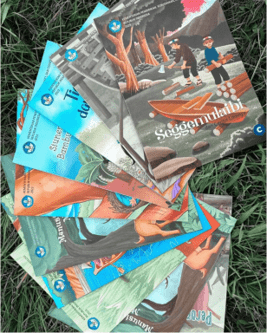
Complete: 2024.
Building on YPBM's 2019 oral mythology research, the West Sumatran Language Center (Dinas Bahasa Sumbar) approached YPBM in 2022 to collaborate on developing a formal publication for schools across West Sumatra. IEF supported YPBM in an advisory and consultancy capacity throughout this collaboration, helping navigate the institutional partnership. After two years of refinement, the book was officially launched in Padang City on 30 April 2024. Containing over ten Mentawai cultural myths, the publication is freely available at YPBM's office in Muntei or Maileppet and distributed to schools across West Sumatra and Mentawai's cultural and ecological education hubs, making these stories accessible to younger generations and the broader Indonesian community.
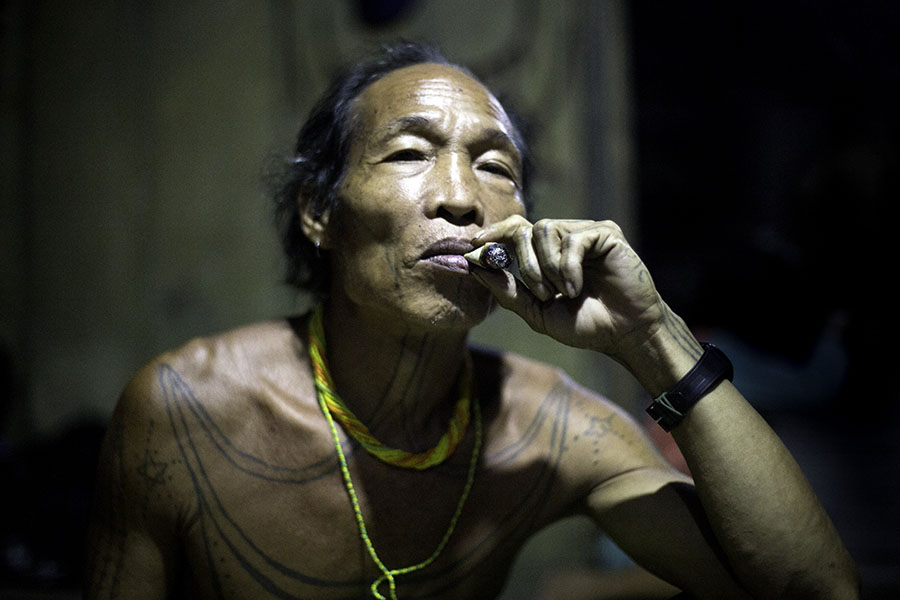
Completed: 2021
In 2019, YPBM embarked on an extensive research project to document and preserve Mentawai's oral mythology and folktales, supported by IEF and a Firebird Fellowship grant. YPBM researchers travelled across the Sarereiket and Sabirut regions of Siberut Island, recording stories, songs, chants, myths, and cultural taboos directly from Sikerei (shamans) and community elders. The goal was to capture and preserve an endangered body of oral literature that has sustained Mentawai identity, beliefs, and ecological knowledge for generations. The research formed the foundational archive from which subsequent publications were developed, and represents one of the most comprehensive documentation efforts of Mentawai oral traditions to date
Completed: 2025
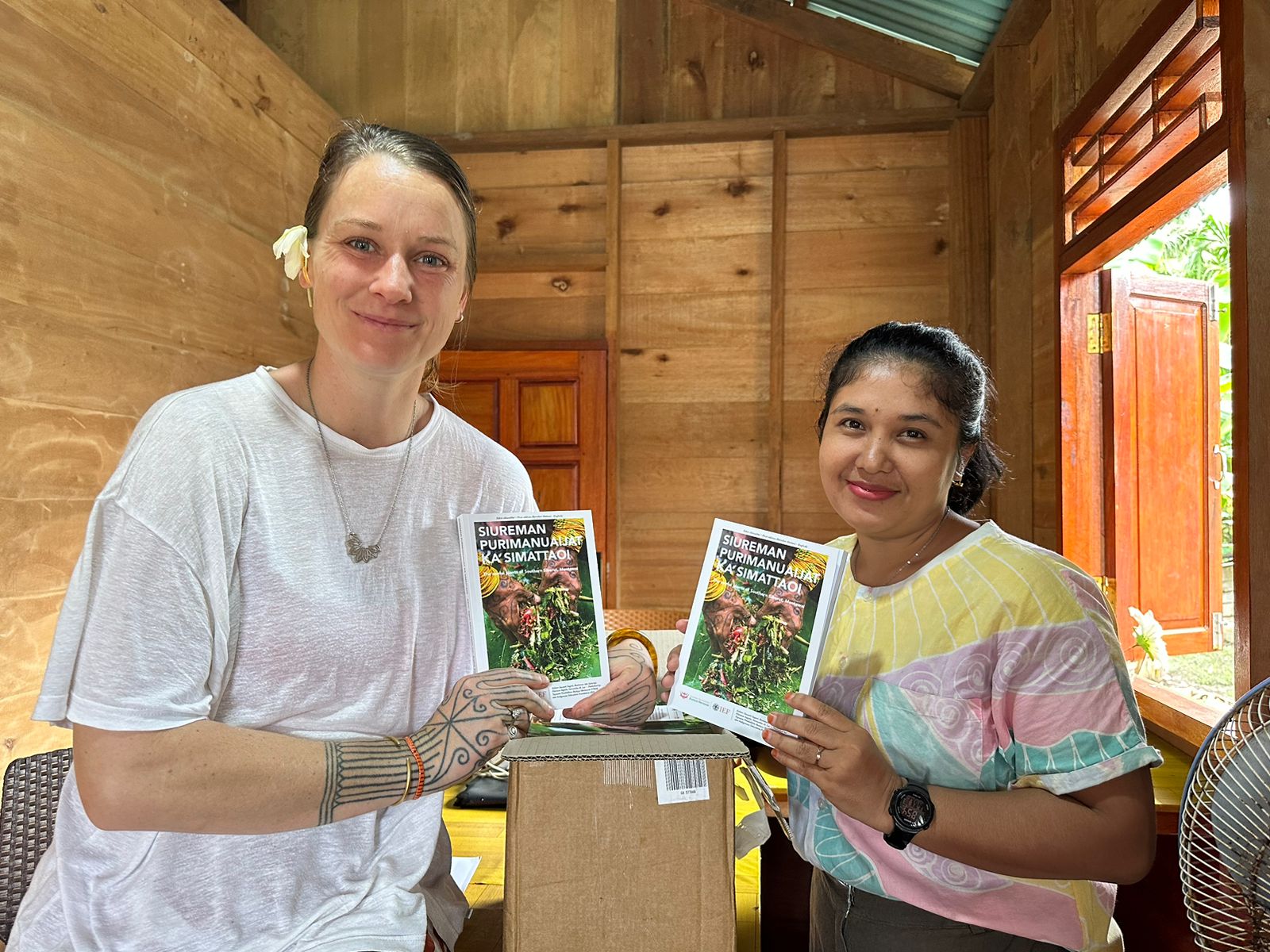
IEF supported the Suku Mentawai Foundation in authoring and distributing Mentawai's first ethnobotanical field guide, profiling over 60 of the most culturally and ecologically significant plants in the region. The guide has been distributed across community learning hubs and schools, and now forms a core component of the ecological curriculum within the Cultural and Ecological Education Program. It serves as both an educational resource and a tool for intergenerational knowledge preservation, connecting students directly with Mentawai's plant knowledge and traditional ecological wisdom.
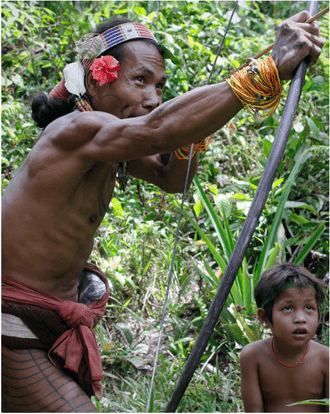
The Cultural and Ecological Education Program (CEEP) is a community-led initiative delivered by the Suku Mentawai Foundation (YPBM) across multiple learning hubs on Siberut Island. Supported by IEF, the program currently employs 14 Indigenous teachers and reaches nearly 400 students weekly across multiple villages. The program covers language, ecology, traditional practices, and folklore, fostering deep connections to Mentawai heritage. A new Cultural Learning Hub in Saliguma Village, serving 40+ students with two locally trained teachers, is to be opened as part of this expansion, significantly improving access to cultural education in Central Siberut.
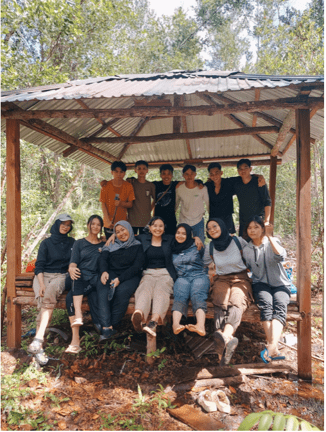
The Cultural and Ecological Education Program (CEEP) is a community-led initiative delivered by the Suku Mentawai Foundation (YPBM) across multiple learning hubs on Siberut Island. Supported by IEF, the program currently employs 14 Indigenous teachers and reaches nearly 400 students weekly across multiple villages. The program covers language, ecology, traditional practices, and folklore, fostering deep connections to Mentawai heritage. A new Cultural Learning Hub in Saliguma Village, serving 40+ students with two locally trained teachers, is to be opened as part of this expansion, significantly improving access to cultural education in Central Siberut.
Join IEF in supporting Indigenous-led education programs strengthening connection to language, culture & ecology
Thank you for joining IEF and advancing indigenous education equity. We'll be in touch shortly.
IEF supports the 2030 UN
Sustainable Development Goals.